
You shouldn't have to compromise your long-term liver health just to regain the confidence to wear sandals in public. For the millions of individuals living with onychomycosis, the struggle involves more than just aesthetics; it's a cycle of persistent embarrassment and the frustration of slow-moving topical treatments. This is exactly why laser removal fungus toenail therapy has transitioned from a niche option to a clinical standard for those seeking a safe, non-invasive alternative to traditional oral medications.
We understand that you want a solution that respects your body's overall well-being while effectively targeting the root of the infection. This guide explains the advanced science behind how light energy penetrates the nail plate to eliminate fungal pathogens without harming the surrounding skin. You'll learn how modern, FDA-cleared technology provides a path to clear, healthy nail growth with zero downtime. We will preview the clinical process, moving from the initial thermal or non-thermal application to the long-term milestones of your recovery journey, ensuring you feel fully informed and supported in your choice.
Key Takeaways
- Understand how concentrated light energy safely penetrates the protective keratin layer to eliminate fungal pathogens residing deep within the nail bed.
- Discover why laser removal fungus toenail therapy serves as a localized, non-invasive alternative to oral medications that may cause systemic strain or liver concerns.
- Learn the clinical distinctions between thermal and non-thermal laser technologies to identify which advanced methodology best suits your specific recovery goals.
- Explore the essential post-care strategies, from footwear sterilization to hygiene protocols, required to maintain clear nail growth and prevent future reinfection.
The Science of Light: How Laser Removal Targets Toenail Fungus
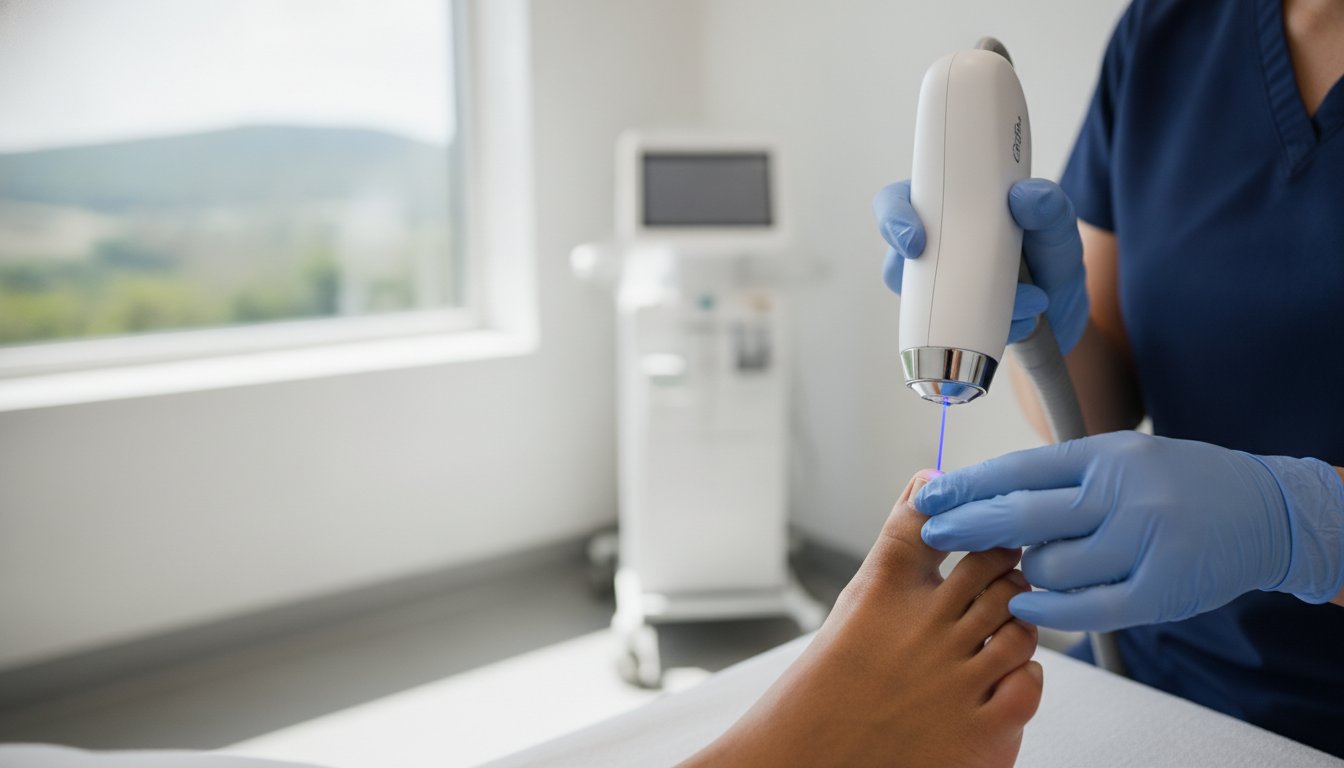
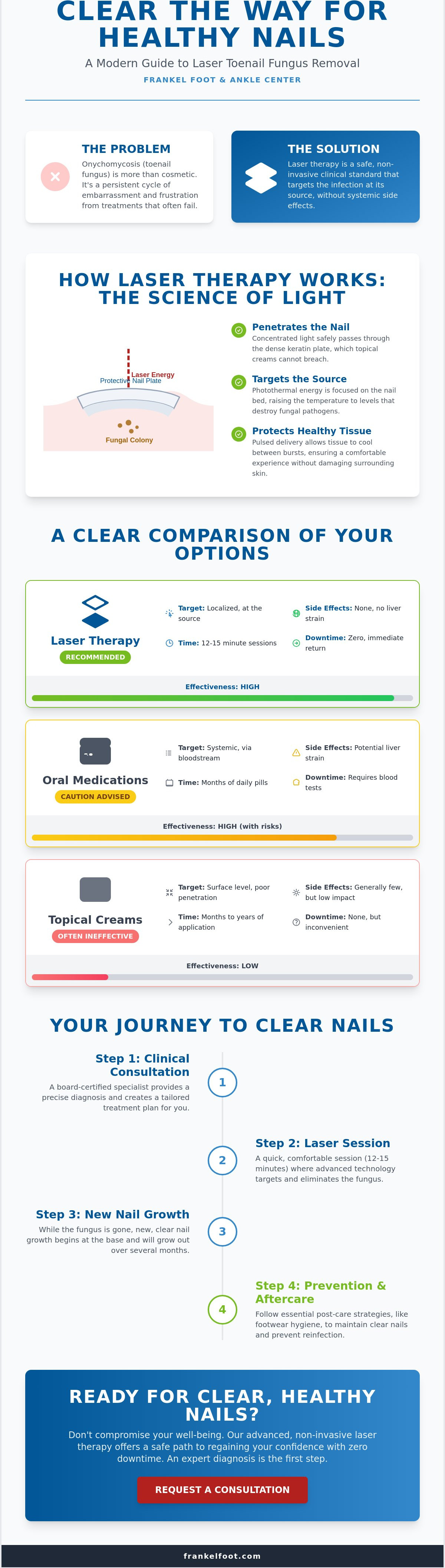
The human toenail is a remarkable biological barrier, designed to protect the sensitive digit from external trauma. However, this same protective keratin plate often shields Onychomycosis pathogens from standard treatments. Modern laser removal fungus toenail therapy utilizes concentrated light energy that passes through the nail plate without requiring incisions or causing damage. This advanced approach focuses energy directly onto the underlying nail bed where fungal colonies thrive in a dark, moist environment. By 2026 clinical standards, photothermal energy facilitates the targeted destruction of fungal colonies by raising internal temperatures to a range that denatures vital pathogen proteins without compromising the structural integrity of the surrounding tissue.
Photothermal vs. Photochemical Mechanisms
Traditional photothermal energy raises the temperature of the fungus to lethal levels, which is the core mechanism behind laser removal fungus toenail therapy. To ensure patient comfort, we utilize a sophisticated pulsed delivery system. This technology delivers rapid bursts of light, allowing the tissue to cool between pulses so you don't feel excessive heat or pain. This level of precision is far superior to broad-spectrum light treatments, as it focuses on specific wavelengths that the fungus absorbs while healthy skin reflects.
Why Topical Creams Often Fail Where Lasers Succeed
Many patients find themselves trapped in a cycle of applying topical creams for months with little to no visible improvement. This occurs because of the barrier problem; the dense keratin of the nail is nearly impermeable to most liquid medications. While creams rely on passive absorption that rarely reaches the deep infection, laser light provides an active, penetrating force. It's a fundamental shift in methodology. At Frankel Foot & Ankle Center, we prioritize these progressive techniques to ensure the treatment reaches the pathogens that topical alternatives simply cannot touch.
Comparing Your Options: Laser vs. Traditional Antifungal Methods
Choosing the right path for fungal recovery requires a clear understanding of how different treatments interact with your body. Traditional oral medications require systemic absorption, which means the drug travels through your entire bloodstream to reach your toes. This process often places undue strain on the liver and can lead to complications ranging from persistent headaches to gastrointestinal distress. In contrast, laser removal fungus toenail therapy offers a strictly localized solution. This ensures that the therapeutic energy remains confined to the affected digits, eliminating the risk of systemic side effects and making it a safer choice for many patients.
Efficiency is another hallmark of modern laser protocols. Clinical sessions are typically brief, often lasting between 12 and 15 minutes depending on the number of nails involved. Patients in Middletown or Katonah can return to their daily activities immediately after leaving the office. It's vital to maintain realistic expectations regarding the timeline of results. While the laser effectively neutralizes the pathogens, healthy nail growth takes time. You won't see a clear nail instantly; instead, you'll observe healthy, new growth emerging from the base over several months. Research on Laser Treatment of Fungal Nail Disease confirms that while the infection is halted, the aesthetic transformation follows your body's natural regenerative pace.
The Safety Profile of Modern Laser Therapy
The absence of systemic side effects makes this methodology ideal for individuals with pre-existing health conditions who must avoid oral antifungals. There's no need for periodic blood tests to monitor liver function. For active individuals and athletes, the no-downtime advantage is indispensable. You don't have to pause your training or alter your lifestyle. It's a progressive approach that prioritizes both your foot health and your overall well-being.
This commitment to non-invasive, health-conscious care is a growing standard in the wellness industry, with practitioners like Organic Skin & Body Med Spa focusing on advanced treatments that respect the body's natural balance while achieving visible results.
Clinical Setting: Why Expertise Matters
Success in treating onychomycosis depends heavily on a precise diagnosis and a tailored treatment plan. Receiving care from a board-certified specialist like Dr. Marc Frankel ensures that your condition is evaluated with clinical rigor. At Frankel Foot & Ankle Center, we combine advanced technology with a compassionate, patient-centered approach. A professional medical diagnosis is the cornerstone of effective care, ensuring that we address the root cause of your discomfort. If you're ready to move toward clearer nails, a clinical consultation can help determine the best course of action for your specific needs.
Achieving Lasting Results: Post-Laser Care and Prevention
Successful fungal removal is a collaborative effort between our clinical expertise and your daily habits at home. While the application of laser removal fungus toenail technology effectively neutralizes active pathogens, long-term success depends on a diligent prevention strategy. We view this as a two-part process where our advanced therapy provides the necessary foundation, and your commitment to a clean environment ensures the results endure. Sterilizing your footwear and hosiery is an essential step to prevent the re-introduction of microscopic spores to the newly treated nail bed. Without this intervention, even the most successful clinical treatment remains vulnerable to reinfection from external sources.
Maintaining a dry, breathable environment for your feet serves as the primary defense against future fungal growth. Fungi thrive in dark, moist conditions, so your choice of footwear and daily hygiene protocols can significantly impact your recovery journey. Nail regrowth takes 6 to 12 months to fully replace the damaged nail. This natural growth cycle requires patience and consistency in your post-treatment care to ensure that the emerging nail remains healthy and clear.
The Frankel Foot & Ankle Center Prevention Protocol
We provide every patient with a structured roadmap to maintain their results. Our protocol focuses on creating an inhospitable environment for fungi through several key actions:
- Apply antifungal sprays or powders to all frequently worn shoes to eliminate dormant spores.
- Transition to moisture-wicking socks made of synthetic blends or wool to keep the skin dry.
- Utilize UV shoe sanitizers to provide a deeper level of sterilization for athletic footwear.
- Schedule routine foot examinations at our offices in Milford or Middletown to catch early signs of recurrence before they spread.
When to Expect Visible Improvement
It is natural to feel eager for results, but you must remember that the laser does not instantly clear the nail's appearance. Instead, it stops the infection, allowing a healthy nail to grow in from the base. You'll observe a clear line of new growth appearing over the coming months as the old, damaged material is gradually trimmed away. For more detailed answers regarding the recovery timeline and what to expect during each stage of healing, you can explore our Toenail Fungus Cure Laser FAQ. The team at Frankel Foot & Ankle Center remains dedicated to supporting you through every step of this transformation, ensuring your path to healthy feet is clear and well-guided.
Reclaiming Your Confidence with Clinical Precision
Transitioning from the embarrassment of persistent fungal infections to the confidence of healthy, clear growth is a journey rooted in modern clinical precision. We have examined how advanced light energy bypasses the nail's natural barrier to eliminate pathogens at their source, providing a sophisticated alternative to the systemic risks associated with oral medications. By opting for laser removal fungus toenail therapy, you're choosing a non-invasive, drug-free solution that prioritizes your body's overall health while delivering targeted results. This progressive methodology, combined with a diligent prevention protocol, offers the most reliable path toward lasting relief.
Your recovery deserves the attention of a seasoned expert who understands the nuances of podiatric health. Led by Dr. Marc Frankel, a specialist in advanced podiatric laser therapy, our practice is dedicated to providing a supportive environment for your healing process. We proudly serve patients across Middletown NY, Katonah NY, and Milford PA, ensuring that high-level care is accessible to our community. You don't have to navigate this journey alone. Schedule a consultation at Frankel Foot & Ankle Center to discuss your laser therapy options and take the first step toward a future of clear, healthy nail growth. We are here to guide you through every milestone of your recovery with skill and genuine care.
Frequently Asked Questions
Is laser removal of toenail fungus painful?
Laser treatment is typically painless for the vast majority of our patients. You may feel a mild warming sensation or a fleeting pinprick as the light energy targets the infection, but the procedure doesn't require anesthesia or numbing agents. Modern systems use pulsed technology to ensure that the surrounding skin remains at a comfortable temperature throughout the session. It's a gentle experience designed to prioritize your comfort while achieving clinical results.
How many laser sessions are required to clear the fungus?
Most patients require a series of three to four sessions to achieve optimal clearance. The specific number of visits depends on the severity and duration of your infection; however, clinical protocols often involve spacing these treatments several weeks apart to monitor progress. This methodical approach ensures that the laser removal fungus toenail therapy thoroughly addresses the pathogens during their various growth phases, providing a solid foundation for healthy nail regeneration.
Will my insurance cover laser treatment for fungal nails?
Most private health insurance providers and Medicare classify laser therapy for onychomycosis as a cosmetic procedure, which means it isn't generally covered. We recommend contacting your specific carrier to discuss your benefits, as exceptions occasionally occur if the infection leads to secondary medical complications like skin infections. Our administrative team is committed to providing clear documentation to help you understand your coverage options and any potential responsibilities before you begin care.
Can I wear nail polish immediately after a laser treatment session?
We generally advise against wearing traditional nail polish immediately following your treatment session. Standard polishes create an occlusive seal that traps moisture, which can potentially encourage fungal regrowth during the early stages of your recovery. If aesthetics are a significant concern, we can discuss specialized antifungal polishes that allow the nail to breathe while providing coverage. Keeping the nail plate clear during the initial healing phase allows for better monitoring of your progress.
How long does it take for the nail to look normal again?
You can expect to see a normal, healthy nail appearance within six to twelve months of starting your treatment. Because the laser neutralizes the fungus but doesn't instantly repair existing structural damage, you must wait for the old nail to grow out completely. As the new, clear nail emerges from the base, the thickened or discolored portions are gradually trimmed away. This timeline reflects the natural biological pace of human nail growth.
Is the laser treatment safe for people with diabetes?
Laser therapy is exceptionally safe and often highly recommended for individuals living with diabetes. Unlike oral antifungal medications that may interact with other prescriptions or strain the liver, laser removal fungus toenail therapy is a localized, non-invasive treatment. It avoids the risks of systemic side effects and doesn't involve incisions, which is crucial for patients who must prioritize wound healing and circulation. This makes it an ideal option for maintaining foot health without compromising systemic stability.


