
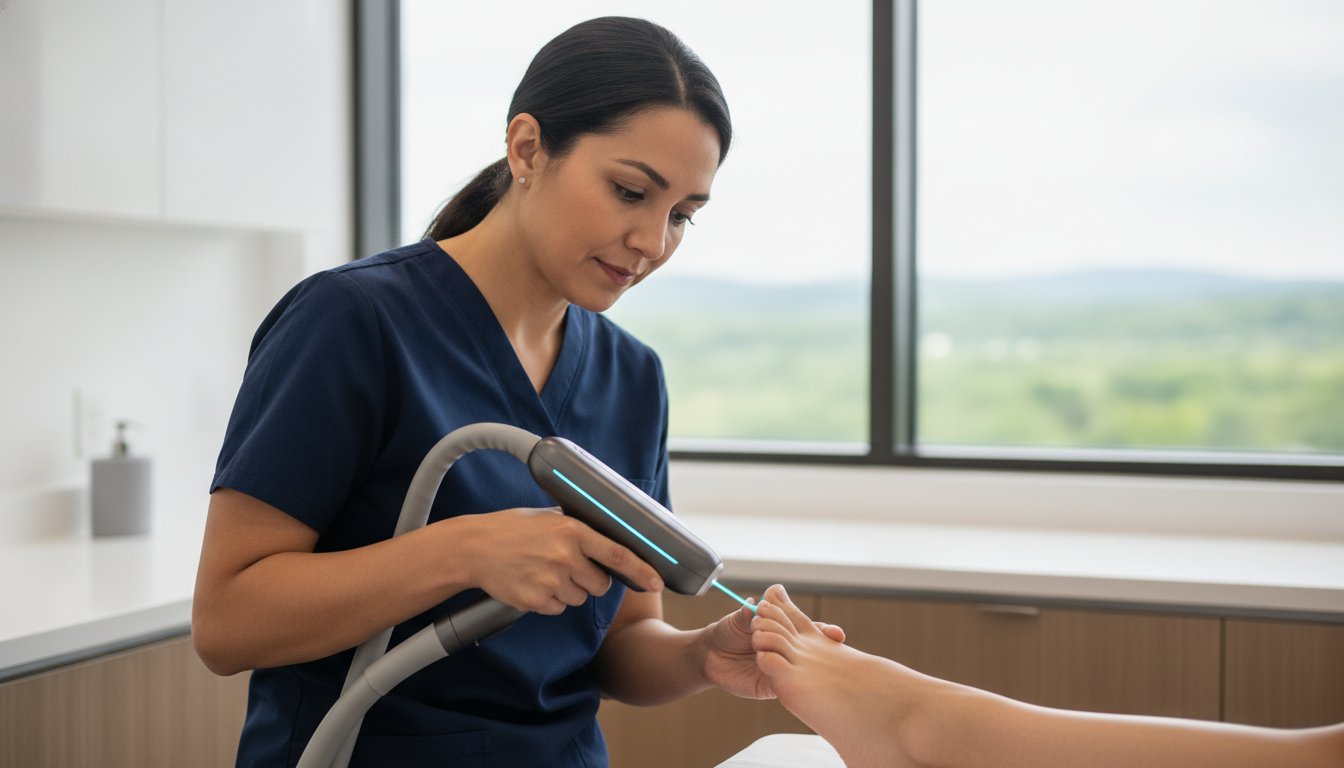

Have you ever wondered why that stubborn yellowing on your nails persists despite every cream and lacquer in the pharmacy aisle? For many, the frustration of hiding your feet in closed-toe shoes is compounded by the fear of oral medications that require blood tests and liver monitoring. It's understandable to feel discouraged when traditional remedies fall short, leaving you with persistent discomfort and embarrassment.
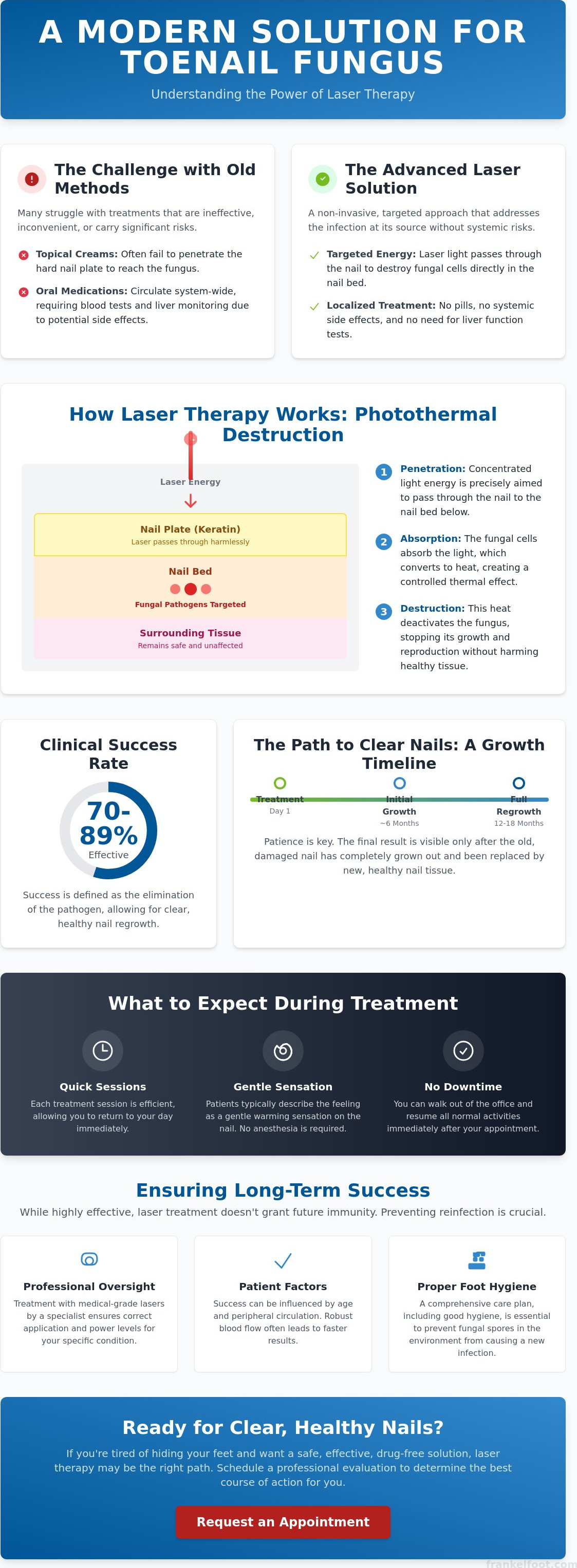
This comprehensive guide demonstrates how a toenail fungus cure laser provides a sophisticated, non-invasive alternative for those seeking clear, healthy nail growth without the systemic risks of pills. By utilizing advanced technology that targets onychomycosis at its source, we can facilitate a path toward pain-free mobility and restored confidence. We'll examine the clinical precision of FDA-cleared devices, discuss success rates that range from 70% to 89% in clinical trials, and outline the methodical timeline required for full nail replacement over the coming 12 to 18 months.
Key Takeaways
- Learn how advanced light energy penetrates the nail plate to eliminate fungal pathogens at the source while preserving the surrounding healthy tissue.
- Understand why a toenail fungus cure laser is considered a leading non-invasive option for achieving clear nail growth without systemic side effects.
- Prepare for your appointment by discovering the sensation and duration of a standard session, which typically requires no anesthesia or downtime.
- Discover the benefits of a drug-free approach that provides an effective alternative to oral medications and the associated need for frequent blood tests.
- Identify the necessary clinical steps to prevent reinfection and support your long-term foot health following your laser therapy sessions.
Understanding the Mechanism: How Laser Removal of Toenail Fungus Works
Laser therapy represents a significant advancement in podiatric medicine. It utilizes concentrated light energy to address the underlying causes of Onychomycosis, the medical term for fungal nail infections. This non-invasive approach is designed to pass directly through the hard keratin of the nail plate. By reaching the delicate nail bed underneath, the laser targets the pathogens where they reside. It's a sophisticated way to treat an infection that is otherwise shielded by the nail's natural barrier.
The primary objective of a toenail fungus cure laser is to create a controlled thermal effect. The light energy converts into heat upon contact with the fungal colonies. This temperature increase is precisely calibrated to inhibit fungal growth and destroy the infection's structure. Because the technology is highly selective, it spares the surrounding healthy skin and soft tissue from damage. Patients often describe the sensation as a gentle warming, reflecting a treatment that prioritizes both efficacy and comfort.
The Science of Photothermal Destruction
Specialized wavelengths of light are absorbed specifically by the pigments within the fungal cells. This process, known as photothermal destruction, deactivates the reproductive capabilities of the fungus. It's a precise methodology that avoids harming the nail matrix; this is the area responsible for generating new nail growth. As the infection is neutralized, the body can begin the slow process of replacing damaged tissue with a clear, healthy nail. This recovery is a journey that requires patience as the new nail matures.
Laser vs. Systemic Medications
Many patients seek alternatives to oral medications like Terbinafine due to concerns regarding systemic side effects. Unlike pills, which circulate through the entire body and require metabolic processing by the liver, laser therapy is a localized treatment. There's no need for periodic blood tests or liver enzyme monitoring. This makes the toenail fungus cure laser an ideal solution for individuals who prefer a drug-free path to recovery. For those seeking comprehensive care and foot pain relief, this localized approach offers a safer, targeted alternative to traditional pharmaceuticals.
Laser Treatment for Toenail Fungus: Is It a Permanent Cure?
Skepticism regarding the term "cure" is a healthy part of any medical consultation. When discussing a toenail fungus cure laser, success is clinically defined by the eradication of the pathogen and the subsequent growth of clear, healthy nail tissue. It's not a one-time magical event, but a process of clearing the path for your body to regenerate. While the laser effectively neutralizes existing fungal colonies, it's vital to understand that this procedure does not grant future immunity. Fungal spores are ubiquitous in the environment, meaning reinfection is always a possibility without proper foot hygiene.
Clinical expertise is what separates a temporary cosmetic fix from a lasting medical improvement. A specialist must determine the precise number of pulses and passes required to penetrate the specific thickness of your nail plate. When managed by a professional, laser therapy serves as the most potent clearing agent available. It works most effectively when combined with a comprehensive care plan that addresses your specific lifestyle and environmental risks.
Factors Influencing Long-Term Success
Several patient-specific variables dictate how effectively your nails will clear. Age and peripheral circulation play significant roles; younger patients and those with robust blood flow typically see faster results. Because a toenail takes 12 to 18 months to grow from the cuticle to the tip, the final visual outcome depends entirely on your natural nail growth cycle. Patience is a requirement for anyone seeking a lasting transformation.
The Role of Clinical Oversight
The efficacy of treatment depends heavily on the quality of the technology and the skill of the provider. Medical-grade lasers found in a podiatry office operate at power levels and specific wavelengths that spa-grade devices simply cannot match. At our practice, Dr. Frankel provides a comprehensive evaluation of foot and ankle pain to ensure your overall health is supported throughout the recovery process. If you're struggling with persistent nail changes, seeking a professional evaluation can help you determine if this advanced technology is the right path for your recovery.
What to Expect During Your Laser Fungal Nail Treatment in Middletown
Walking into our clinic for a toenail fungus cure laser session is a straightforward experience designed with your comfort and schedule in mind. A typical appointment involves treating all ten toes to ensure no dormant spores remain, usually lasting between 20 and 30 minutes. This efficiency allows us to integrate advanced medical care into your day without significant disruption. We provide this specialized service across our Middletown, Katonah, and Milford locations, ensuring accessible care for our patient community.
Patients often inquire about the physical sensation of the procedure. You'll likely feel a mild warming or a brief "pinprick" sensation as the light energy interacts with the fungal cells. Because the process is non-invasive, there's no need for local anesthesia or numbing agents. One of the most significant advantages is the total absence of downtime. You can return to your workplace, resume your exercise routine, or continue your daily errands immediately after leaving the office.
The Recovery and Growth Timeline
It's essential to maintain realistic expectations regarding the visual transformation of your nails. Clear, healthy tissue doesn't appear instantly; instead, it emerges as the nail grows out from the cuticle over a period of 6 to 12 months. Most patients achieve optimal results through a structured schedule of 3 to 4 treatment sessions. This methodical approach ensures that the fungal pathogens are thoroughly addressed during different stages of their life cycle, supporting a more robust recovery.
Post-Treatment Prevention Protocol
Achieving a lasting result requires a commitment to maintaining a clean environment for your feet. We provide every patient with a specific protocol to prevent reinfection, which typically includes the following steps:
- Utilizing antimicrobial shoe sanitization sprays to eliminate lingering spores in your footwear.
- Switching to moisture-wicking socks that keep the skin dry and inhospitable to fungal growth.
- Applying topical anti-fungal maintenance solutions as a protective barrier during the growth phase.
Regular clinical check-ups are a vital component of this journey. These visits allow us to monitor your progress while addressing other concerns, such as maintaining ankle pain relief and overall foot mobility. Our goal is to ensure your feet remain healthy, clear, and pain-free for the long term.
Restoring Your Confidence with Advanced Laser Care
Choosing a path toward healthier feet shouldn't involve the stress of systemic side effects or ineffective topical solutions. By utilizing a toenail fungus cure laser, you're opting for a sophisticated, non-invasive methodology that targets pathogens while preserving the integrity of your nails. This advanced approach deactivates fungal growth through precise thermal energy, providing a clear alternative to traditional oral medications. Clinical oversight remains the defining factor in achieving a successful outcome that lasts.
Dr. Marc Frankel and our dedicated team provide expert care across our convenient locations in New York and Pennsylvania. We combine advanced non-invasive laser technology with a compassionate, patient-centered approach to ensure you feel supported from your first consultation through the final stages of nail regrowth. It's time to step forward without the burden of embarrassment or discomfort. Schedule your laser fungal nail consultation with Dr. Frankel today. Your journey toward clear, healthy nails and pain-free mobility begins with a single proactive step. We look forward to helping you regain the comfort and confidence you deserve.
Frequently Asked Questions
Is laser toenail fungus treatment painful?
Most patients experience only a mild warming sensation or a brief pinprick feeling that doesn't require any local anesthesia. If your provider utilizes non-thermal cold laser technology, the procedure is entirely painless and produces no heat at all. These advanced devices are engineered to target the fungal pathogens while leaving the sensitive nerves and surrounding skin tissue completely unharmed. You can remain comfortably relaxed during the session and resume your daily routine without any recovery time.
How many laser sessions are needed to cure toenail fungus?
A standard treatment plan typically involves four weekly sessions, although some comprehensive programs may span over nine weeks depending on the severity of the infection. Utilizing a toenail fungus cure laser effectively requires these multiple sessions to ensure the light energy thoroughly deactivates the fungus at various stages of its life cycle. Clinical data indicates that 89% of patients respond successfully to these structured protocols. Your podiatrist will determine the exact number of pulses and passes needed based on your specific clinical presentation.
Is laser treatment for toenail fungus covered by insurance?
Private insurance companies generally consider laser therapy for onychomycosis to be a cosmetic procedure and don't offer coverage. Similarly, standard Medicare doesn't typically pay for the treatment. An exception may occur for patients with high-risk underlying conditions, such as diabetes-related peripheral neuropathy, where the fungal infection poses a significant threat to overall foot health. Many patients choose to utilize their Health Savings Account (HSA) or Flexible Spending Account (FSA) funds to manage the out-of-pocket costs for this advanced care.
How soon will I see results after laser nail therapy?
Results aren't visible immediately because the laser doesn't physically clear the existing damaged nail; it neutralizes the infection to allow for healthy growth. You'll begin to see a clear margin of new nail appearing at the base near the cuticle as the months progress. Because a full toenail replacement takes between 12 and 18 months, you must be patient as the healthy tissue slowly pushes the old, infected nail toward the tip. Consistent follow-up care ensures that this new growth remains protected from environmental reinfection.


